

Interior Change Orders: A Clear Scope and Cost Record
Record an interior change order with the changed scope, additions, credits and time effect. Use a clear worked example before authorising extra work.

- Kautuk Sahni
- 9 min read
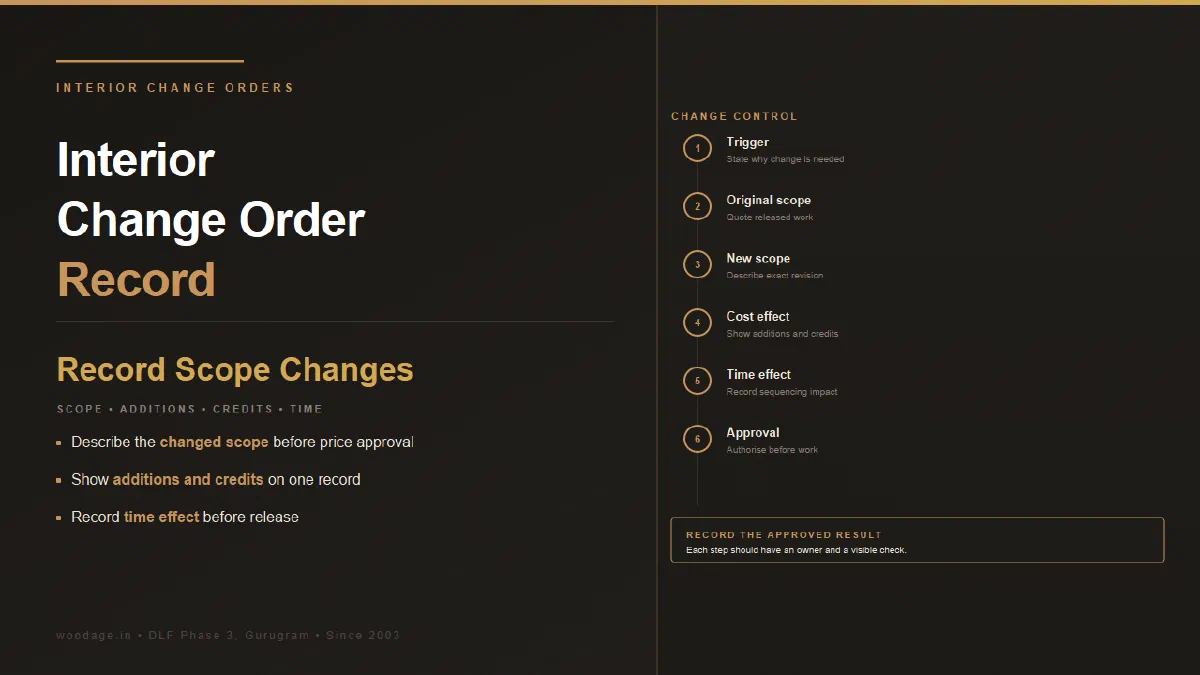
Quick answer: An interior change order records what changes from the approved scope, what is omitted or added, the cost effect, the drawing revision and the time effect. Agree it before the changed work is executed wherever practicable. A clear record prevents a design conversation from becoming an unpriced instruction or an unexplained final-bill addition.
WoodAge is a factory-direct furniture and interiors manufacturer in Gurugram, working since 2003. This is a practical project-record template for furniture and interior work, not legal advice or a guarantee that a particular form is enforceable. Use it alongside the actual agreement and its authorised approval process.
Start from an identified baseline
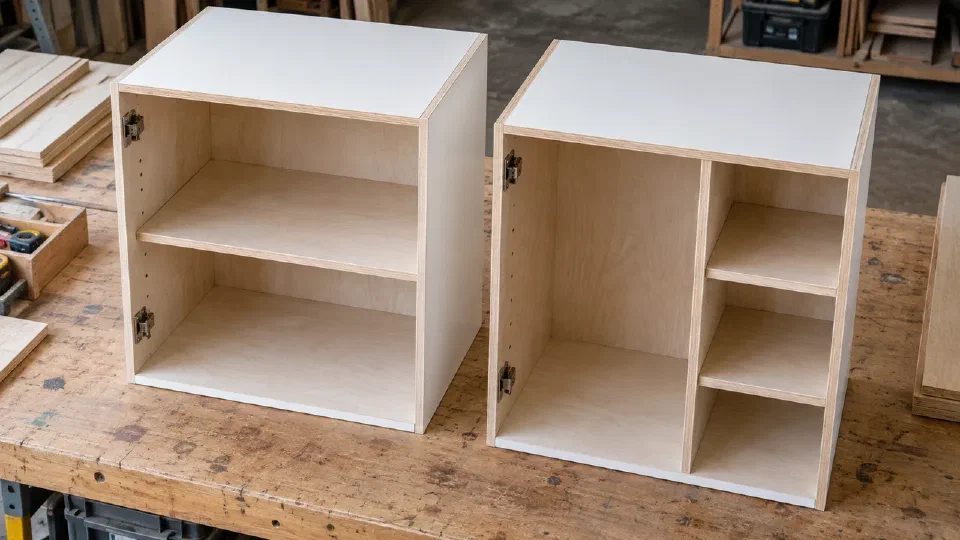
Record the original BOQ item, drawing revision and approved sample or hardware code. Without a baseline, “upgrade the drawer” does not explain what is being removed or supplied instead.
Procore’s change-order explanation identifies scope, cost and schedule as key change information. For a small interior job, the form can be simple, but those effects should still be explicit.
What to record before approving a change
Download the blank interior change-order record (CSV). Use one copy per change ID and complete the additions, credits, tax basis, time effect and approval status. The file contains no preset prices or automatic totals; reconcile it with the signed scope and actual agreement.
| Field | Entry |
|---|---|
| Change ID and date | __ |
| Project, room and unit ID | __ |
| Requested by and reason | __ |
| Original BOQ item and drawing revision | __ |
| Work or material omitted | __ |
| Replacement or additional work | __ |
| Quantity and measurement unit | __ |
| Credit for omitted work | __ |
| Additional material and labour | __ |
| Other costs, inclusions and exclusions | __ |
| Tax treatment stated by supplier | __ |
| Net adjustment and revised total | __ |
| Time effect and affected dependencies | __ |
| Revised drawing/sample reference | __ |
| Approval required from each responsible party | __ |
| Status, approval date and execution instruction | __ |
| Completion and acceptance record | __ |
Attach the revised sketch, marked-up drawing or product sheet. A photograph of a different showroom unit is not enough to define dimensions and hardware.
The Minnesota Department of Commerce’s scope-of-work change-order form is an example of a public form that records the changed work and its approval. It is a documentation example, not an Indian legal form. For this furniture template, keep the original line and replacement line together so the credit, added charge and new material code can be checked as one decision.
Show credits as well as additions
Illustrative arithmetic, not market pricing: suppose an omitted component has an agreed credit of Rs.2,000 and its replacement has an agreed additional charge of Rs.3,500 on the same stated tax basis. The net adjustment is Rs.1,500 before any separately agreed items. Those figures are hypothetical and do not establish a WoodAge rate.
State whether the original component has already been purchased or made and how the agreement handles that situation. Do not assume the full original amount is always recoverable, or that the supplier can charge for both components without explanation.
Ask for the change’s commitment stage before accepting the credit:
| Original item status | Record needed for the proposed credit |
|---|---|
| Not ordered or made | Original BOQ value, omitted work and agreed credit basis |
| Ordered but cancellable | Supplier cancellation terms and any documented charge |
| Material cut or item made | Evidence of work already committed, possible reuse or return, and the agreed adjustment |
The table does not set a legal entitlement or fixed deduction. It makes the reason for a smaller credit reviewable when a late finish or hardware change follows an earlier approval.
Estimates only. Final BOQ depends on the approved scope, quantities, selected materials, work already completed and stated tax and installation terms. Have the appropriate adviser review disputed contractual or tax questions.
Record time effects without inventing a deadline
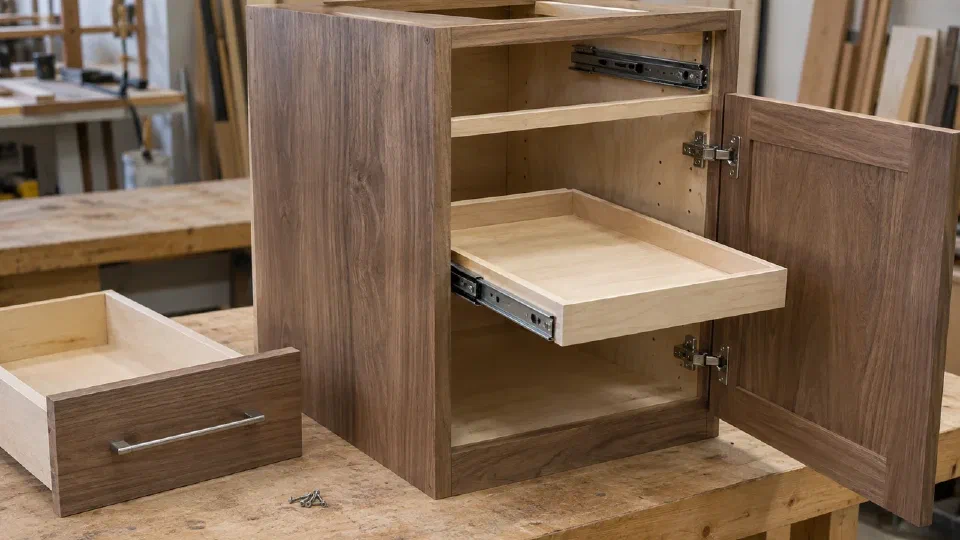
A new finish can change procurement; a shifted appliance can change several cabinets; a late hardware substitution can require new machining. List the affected activities and the revised dates agreed by the responsible parties.
If the effect is not yet known, record the information needed and who will confirm it. “No delay” should not be entered merely to make the approval easier. Likewise, distinguish a proposed change from an instruction to proceed.
Keep one change register
Use sequential IDs and statuses such as proposed, priced, approved, rejected, executed and accepted. Link each approved change to the revised drawing and BOQ. Keep rejected proposals in the record so they are not mistaken for instructions later.
Add an “included in current total” column to the register. The agreed net adjustment belongs in the revised BOQ once, while a proposal awaiting approval remains outside the committed total. At handover, connect the change ID to the installed unit and acceptance note so an approved substitution does not look like an unexplained departure from the original drawing.
For a simple reconciliation, suppose the original agreed scope is Rs.100,000 on one stated tax basis. The illustrative Rs.1,500 net change above is approved, while a separate Rs.4,000 request is still proposed. The current committed amount is Rs.101,500, not Rs.105,500. If the second request is rejected, retain its ID and status without adding it to the bill. These figures are arithmetic examples, not WoodAge prices or an estimate for an actual project.
At billing, reconcile the original scope, approved changes and completed work. An unreferenced lump sum called “extras” is difficult to verify. Avoid duplicate charging where a change replaces an original item rather than adding another one.
Pricing methods and what Indian law says about altering a contract
Agree how each kind of change will be priced before work starts:
| Method | When it fits | Watch out for |
|---|---|---|
| BOQ rate | The same item as in the BOQ, in more or less quantity | Measure the quantity, and use the contract rate |
| Rate derived from the BOQ | A similar item, such as a drawer unit of a different width | Ask for the derivation in writing |
| Quoted lump sum | A new item not in the BOQ | Ask for it itemised: material, hardware, labour |
| Cost plus an agreed margin | Unknown scope, such as damp found behind a wall | Agree the margin and a cap first, and see the bills |
Two Indian statutes explain why a written record matters; this is a description, not legal advice. Section 62 of the Indian Contract Act, 1872 provides that if the parties agree to substitute, rescind or alter a contract, the original contract need not be performed; a change order is that agreement for one change. Section 10A of the Information Technology Act, 2000 provides that a contract is not unenforceable solely because it was formed electronically, so an emailed or messaged approval can count, though whether a message proves a specific agreement depends on the facts.
A worked running log. CO-01, an extra study shelf, adds ₹4,200; CO-02, omitted loft shutters, credits ₹3,000; CO-03, a drawer unit replaced by a bin unit, adds ₹6,500. The running total is ₹7,700, about 1.2% of a ₹6,50,000 contract. These figures are illustrative only, not WoodAge rates.
Evidence and Verification Notes
Sections 62 and 10A are described from India Code, checked in September 2026; for a dispute, take advice from a lawyer. The worked log uses illustrative figures only. Society rule changes are one reason code worth planning for in Gurugram: societies from New Gurgaon to Golf Course Road can change work hours, lift slots or debris rules mid-project, so agree in the contract who bears that cost. The contract clauses behind change orders are in the no-hidden-cost interior contract guide, and an itemised BOQ example is on the Gurgaon modular kitchen cost page.
Frequently Asked Questions
Is a WhatsApp approval enough?
Its legal effect depends on the agreement and circumstances. As a project-control matter, connect any approval to an exact change ID, scope, price basis and drawing. Seek legal advice for enforceability or disputes.
Does every minor adjustment need a priced form?
Use the agreed project process. A no-cost adjustment can still need a record if it changes dimensions, appearance, maintenance access or responsibility. State “no price change” only after confirmation.
What about urgent corrective work?
Follow the agreement’s urgent-work process and document the instruction and evidence promptly. Do not use urgency to leave the scope, authority and billing basis permanently undefined.
How should a credit appear in a change order?
Keep the omitted original line and the added replacement line together, using the same tax basis. Show the net adjustment once in the revised committed total.
What should be recorded about time impact?
State the approved effect, dependencies and revised milestone where known. Do not invent a deadline before the changed material, drawing and work sequence are confirmed.
How are extra items priced in interior work?
By a method agreed in the contract: the BOQ rate for the same item, a rate derived from the BOQ for a similar item, an itemised lump sum for a new item, or cost plus an agreed margin, with a cap, for unknown scope such as hidden damp.
Is a change approved on WhatsApp legally valid in India?
Section 10A of the Information Technology Act, 2000 says a contract is not unenforceable solely because it was formed electronically. Whether a particular message proves a specific change depends on the facts, so send a numbered change form and accept it clearly in writing. For a dispute, consult a lawyer.
For a project in Gurugram or Delhi NCR, use WoodAge’s custom furniture service to discuss the measured requirement and written scope. Product suitability and the final BOQ must be confirmed for the actual order.
Related Guides From WoodAge
- Interior specification sheet - for recording product codes and approved details.
- Office furniture BOQ - for an itemised office furniture specification.
- Interior contract scope - for a written baseline before variations.
- Kitchen repair or replacement - for deciding whether an existing unit should be retained.
- Wall Putty vs Primer: What Each Layer Does - Useful next reading on budget planning, costs, materials, or execution.
- Main Door Locks: Yale, Godrej, Dorset and Ozone - Useful next reading on budget planning, costs, materials, or execution.